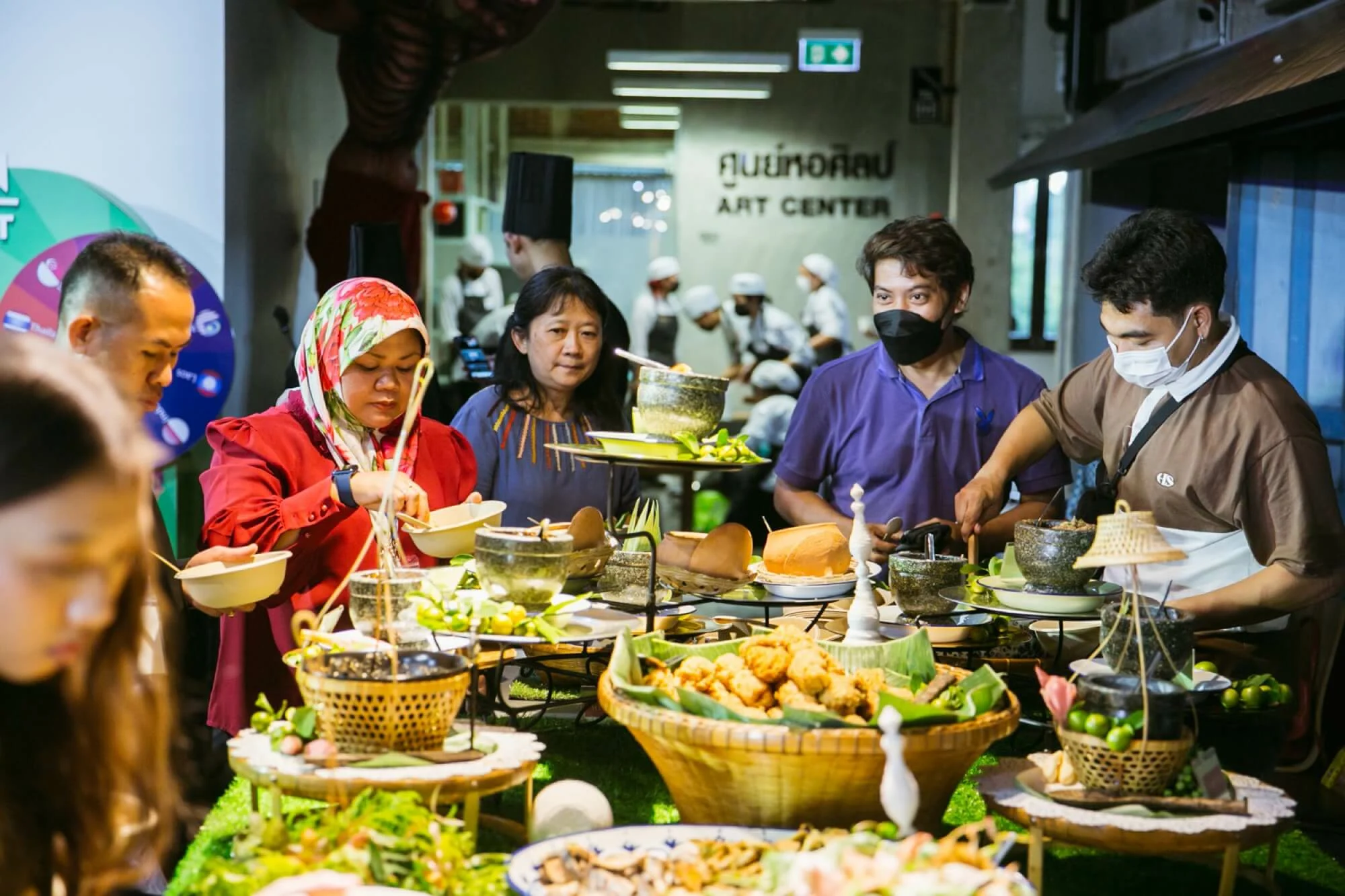
Asian Nations Embrace Culinary Tourism as Global Travel Trends Shift
Countries in Asia are keen on leveraging gastronomic tourism as travelers move away from West Asia, with a focus on cultural richness and culinary experiences.
Gastronomy has always played a major role in global tourism, especially as food serves as a gateway into different cultures, literally giving travellers a taste of local custom and tradition.
With the potential shift of global travel from the troubled states of West Asia and into East, Southeast, and South Asia, gastronomic tourism also stands to become a major money-spinner over the next several months, especially as the Philippines will be hosting the UN Tourism World Gastronomy Forum this year.
That said, just how lucrative could the sector be moving forward; and how can individual nations make the most of the opportunities that gastronomic tourism offers?
Food as raison d’etre for the Global Traveller in Asia
For travel and tourism analyst Gary Bowerman, the use of gastronomy as an element of national tourism initiatives isn’t anything new, but it does change as the industry continues to evolve.
As Bowerman wrote in July 2024: “Across Asia, fast-moving trends in food tourism are driven by social media videos and an expanding array of culinary awards, ratings and reviews. Post-Covid travellers are eager to experiment with local flavours, and learn the backstories of ingredients and culinary preparations.”
He went on to point out that a survey of Chinese tourists saw around 54 percent citing food as their preferred theme for their trips, a sentiment shared by travellers throughout the region.
Likewise, Global Gateway’s 2024 study funded by the European Union pointed out how gastronomic tourism serves as both a cultural ambassador and advocate for nations as related initiatives can help safeguard a country’s heritage and traditions.
To quote the report: “Culinary tourism promotes cultural exchange and appreciation for diverse food traditions, encouraging local communities to preserve their culinary heritage and traditional food preparation methods. Highlighting indigenous cuisines and culinary techniques, tourism supports the conservation of culinary biodiversity and the sustainable use of local ingredients.”
It should likewise be noted that focusing on cultural authenticity and gastronomic diversity increases the value of local food systems whilst strengthening community resilience against homogenised food trends and globalised diets.
Five Questions to Answer
For any initiative related to gastronomic tourism to flourish and deliver significant results, tourism boards and their partners in both the public and private sectors need to address five key points:
- How can the tourism industry transition towards sustainable food practices?
- What collaboration strategies are needed to minimise food waste across the tourism sector?
- How can cultural values be utilised to promote sustainability in tourism?
- What framework is necessary to implement sustainable policies in the tourism industry?
- Which innovative solutions show the most potential in reducing food waste and promoting sustainability in tourism?
As the questions point out, the preservation of cultural heritage is just one part of the equation; the other is sustainability and how tourism boards and their partners can actively promote and implement related measures without compromising local communities and resources.
Gastronomy as a Powerful Tourism Marketing Tool
Bowerman has likewise pointed out how Southeast Asian and East Asian nations have successfully integrated gastronomy into their tourism promotion campaigns.
As he puts it: “Food is one of Thailand’s 11 ‘Soft Powers’ used to promote the country, and the government provides support for citizens who establish Thai restaurants overseas. The Indonesian government set a goal for its nationals to open 4,000 restaurants globally carrying its Indonesia Spice up the World branding. South Korea recently launched its new Taste Your Korea gastronomic tourism brand.”
One effective campaign seen in the region prior to the pandemic was the Philippine Department of Tourism (DOT)’s tie-up with Filipino global fast food chain Jollibee Eats More Fun in the Philippines, wherein a series of promotions sought to encourage local and foreign tourists to explore the gastronomic offerings endemic to the country, enhancing the overall experience in its numerous destinations.
Then-tourism secretary Bernadette Romulo-Puyat said of the campaign: “Whenever you travel, you really do it for the food. Eats More Fun in the Philippines is actually the biggest campaign of the DOT, because we aren’t just promoting the sun and beach but also the cuisine.”
While Romulo-Puyat’s campaign has since been suspended by her successors, it certainly spearheaded the rise of a prime growth sector for Philippine tourism.
Consider this: since the initial implementation of the Eats More Fun campaign, the value of the Philippine gastronomic tourism market now stands at around US$5.4 billion and stands to be worth US$21 billion by 2032.
Indonesia as a Culinary Diplomat
Indonesia is also stepping up its game in that respect: just this weekend, the country cited the efforts of Indonesian restaurants in neighbouring Malaysia in terms of what officials refer to as culinary diplomacy as these establishments do not just serve authentic dishes, but also support broader economic collaboration initiatives.
Hendra P Iskandar, minister-counsellor for economic affairs at the Indonesian Embassy in Kuala Lumpur, remarked: “Through culinary experiences, Malaysians are able to better understand Indonesia’s cultural identity while opening opportunities to promote tourism and the creative economy.”
As of November 2024, the contribution of the Indonesian hospitality and foodservice sectors was around US$16.5 billion per Ken Research, and Mordor Intelligence predicts that its total value will be as high as US$128.76 billion by 2031.
It may be too early in the year to call which Asian nations will be leading the pack when it comes to gastronomic tourism, especially with the ongoing issues in West Asia.
However, with Indonesia, the Philippines, and Thailand already serving a veritable smorgasbord of culinary offerings to global travellers, their regional neighbours need to start cooking or be left doing the dishes.