Challenges to Growth in Global Pilgrimage as Geopolitical Conflicts Intensify
With geopolitical tensions increasing, the expansion of religious tourism may face significant obstacles this year.
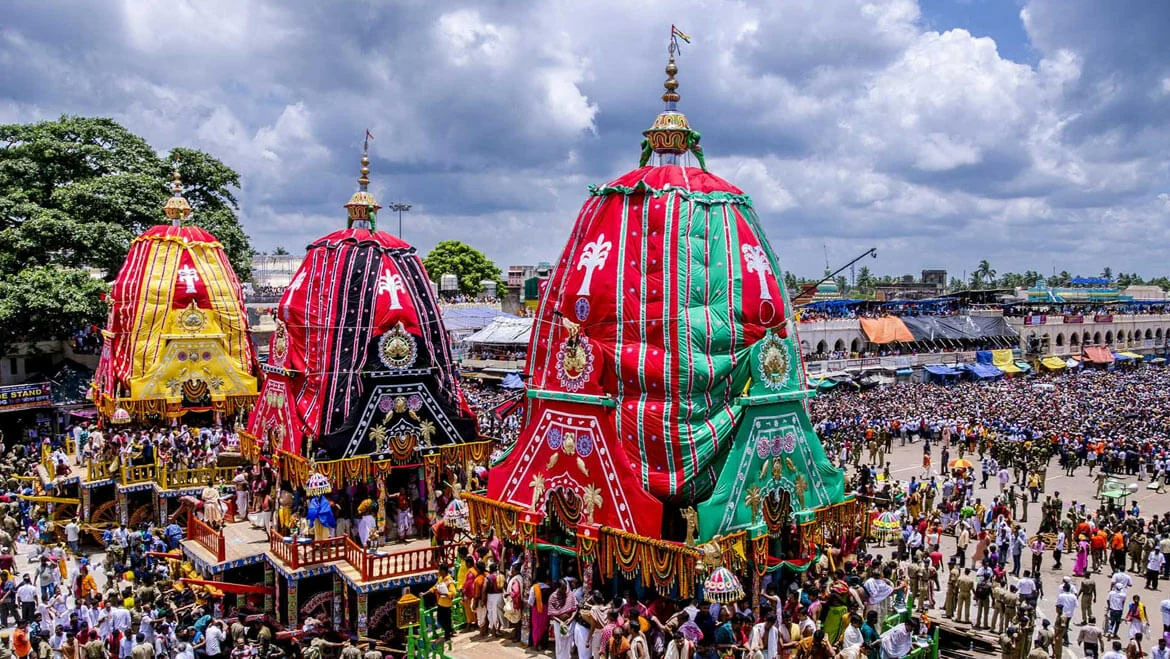
Faith-based travel, especially pilgrimages to sacred sites, has attracted believers worldwide looking to honor their deities, express gratitude for blessings, or mourn losses. These journeys can include visits to Mecca for Muslims, Marian sites for Catholics, or the Ganges in India for Hindus.
Valued at about US$190.53 million by the end of 2025, the religious tourism arena is on the rise. Its growth is primarily driven by a surge in spiritual seekers and greater interest in religious heritage and pilgrimage infrastructure. However, escalating geopolitical conflicts, particularly in the Middle East and Eastern Europe, threaten to stifle this industry’s development.
The Rising Cost of Conflict
A recent report suggests that the religious tourism market could expand to $263.96 billion by 2029, with a CAGR of 8.5% due to rising spiritual interests and improved travel accessibility. But ongoing conflicts, such as the one between Israel and Palestine and the situation involving Russia and Ukraine, could severely impact the safety of pilgrims, leading to travel warnings and decreased traffic to affected areas.
Budgetary Constraints
Major religious journeys, like the annual Hajj, impose significant financial burdens, with costs reaching US$9,000. Many Muslims struggle financially to make this pilgrimage even once in their lives. Hence, governments and nonprofit organizations often step in to assist. However, recent budgetary constraints have led several countries, including Egypt, India, and Nigeria, to withdraw financial support or limit pilgrim numbers through systems like lotteries.
Health Concerns Post-COVID
In addition to financial issues, public health also concerns religious tourism, especially given the potential for contagion among large groups. Various countries implement health screenings and vaccination requirements for pilgrims before undertaking their journeys.
Alternative Approaches
With pandemic restrictions prompting the rise of virtual pilgrimages, many congregants can participate in religious activities online from their homes. This format has opened doors for individuals unable to travel, allowing them to connect with spiritual sites globally without the need for physical presence.
As the year unfolds, the future of global religious tourism remains uncertain. However, the resilience of believers striving to practice their faith through travel will likely continue to inspire, even amidst challenges.