Religious Tourism Restrictions Result in $3.4 Billion Loss for Israel Amid Rising Tensions
The recent ban on both Christian and Muslim pilgrims visiting Jerusalem has caused significant financial losses for Israel.
Summary
The Israeli government has come under fire for restricting access to Jerusalem, leading to considerable financial losses in the religious tourism sector. This ban affects both Christian and Muslim pilgrims, coinciding with significant religious observances.
Major Events
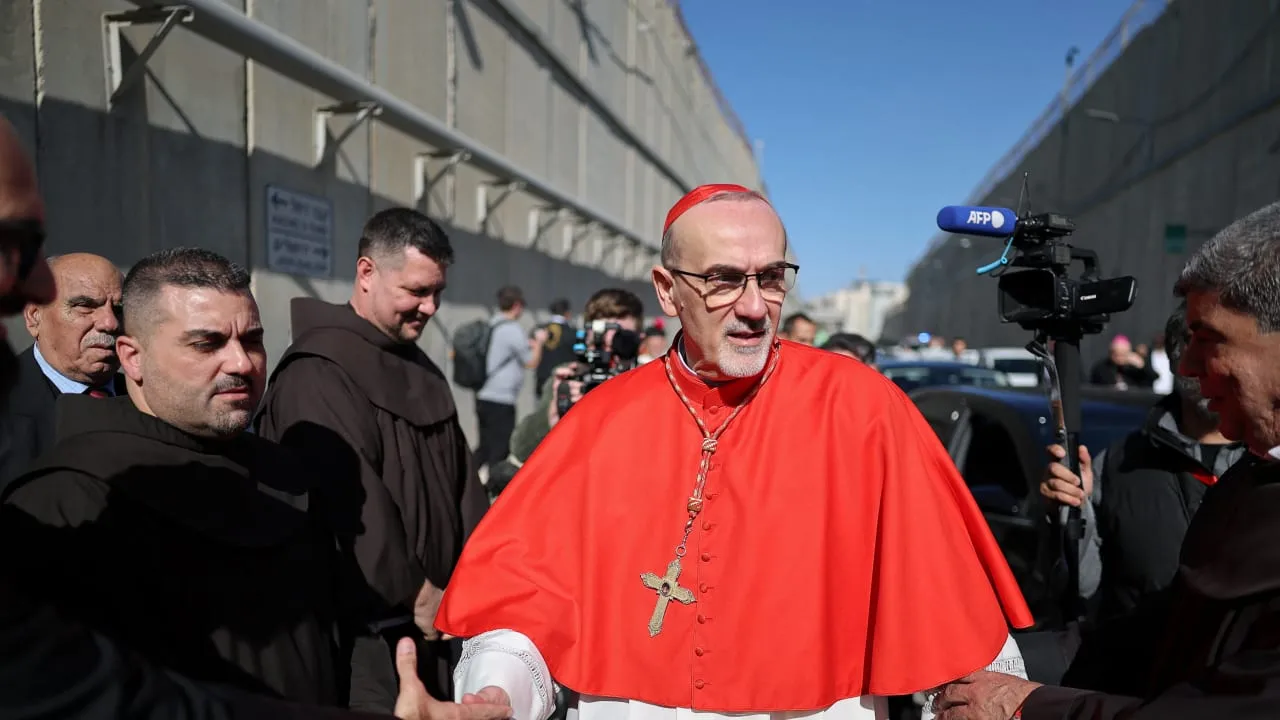
On Palm Sunday, March 29, Cardinal Pierbattista Pizzaballa was denied entry to Jerusalem, disrupting important liturgical rites.
Moreover, the Muslim community faced similar obstacles during their pilgrimage periods, such as Ramadan and Eid al-Fitr.
Economic Impact
Preliminary reports suggest that this prohibition has already cost Israel an estimated US$3.4 billion in revenues related to religious tourism. The ongoing violence and restrictions exacerbate the impact on the economy, especially during peak pilgrimage times.
International Reactions
In response to this situation, a coalition of eight Arab and Muslim nations has condemned Israel’s actions, collectively demanding an end to these restrictions on worship. Prominent countries like Egypt, Indonesia, and Saudi Arabia are calling for the immediate restoration of access for all religious pilgrims.
The Latin Patriarchate of Jerusalem condemned these actions as unreasonable and disrespectful, emphasizing that they violate the fundamental principles of freedom of worship. A statement from Patriarchate expressed profound sorrow for preventing prayer on one of Christianity’s most sacred days, highlighting the broader implications for global religious sentiments.
Conclusively
The situation in Jerusalem is highly volatile, particularly during significant religious holidays for both Christians and Jews. The statement released reaffirmed their condemnation of the restrictions imposed, citing concerns over international law and human rights.
Pilgrimage Impact
Additional Observations
Amidst internal turmoil, President Isaac Herzog remarked that while security is essential, the current restrictions must be reconsidered to uphold worship freedom for all faiths. The challenge remains to balance security concerns with the need for access to holy sites.
These tensions reveal a complex interplay between religious freedoms, security, and international relations, with the ongoing crisis at the core of these issues.