The Resilience of Luxury Travel in a Cost of Living Crisis
Despite economic challenges, luxury travel continues to thrive as affluent travelers prioritize unique experiences over material possessions.
In a world where many households are tightening their budgets, one travel segment continues to flourish: luxury travel. From Sydney to Singapore and across Europe, high-end travel brands are reporting record bookings, indicating that the desire for exclusive experiences remains robust.
Despite rising costs in airfare, hotel rates, and daily expenses, luxury travelers demonstrate remarkable resilience. According to various industry reports, premium and ultra-luxury travel bookings have steadily increased since 2023. Australians are notably leading this trend, with consistent demand for luxurious stays in Europe, Japan, and Fiji.
What’s driving this? Many affluent travelers perceive travel as a non-negotiable investment in wellbeing. After years of pandemic disruptions, experiences now take precedence over possessions.
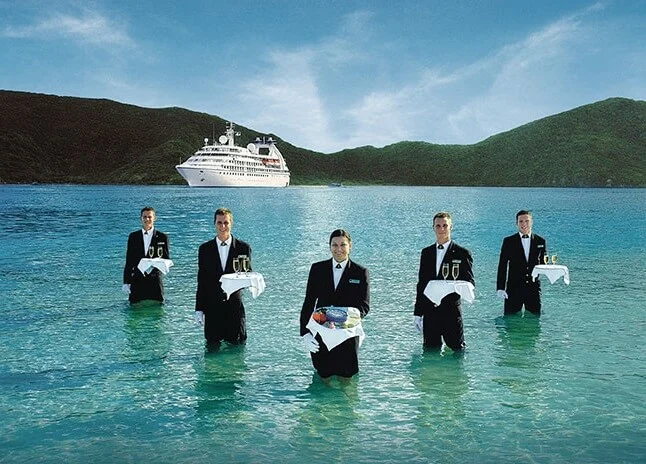
Whether it’s a private yacht charter in the Whitsundays, a bespoke safari in Kenya, or Michelin-star dining in Paris, today’s travelers are prioritizing creating memorable experiences over material goods.
The New Definition of Luxury
Modern luxury is shifting away from gold-plated opulence towards meaningful, personalized adventures. Tailored itineraries, carbon-neutral flights, wellness retreats, and culturally immersive journeys now define this evolving market, aligning the luxury sector with broader lifestyle values — authenticity, exclusivity, and purpose.
Australia’s Rising Influence in the Market
Australia’s luxury travelers rank among the most adventurous globally, spending considerably more per trip than the average. They often seek remote, unspoiled destinations, from the Kimberley coast to the Maldives. Despite domestic cost-of-living pressures, luxury tour operators report that Australian clients continue to make robust bookings.
This has led to the rise of “quiet luxury” experiences: boutique vineyard retreats, small-ship expeditions, and high-end rail journeys like The Ghan, all reflecting a sophisticated market focused on authenticity and quality rather than flash and extravagance.
The ongoing expansion of the luxury travel segment shows that even amid financial pressures, the desire for exploration with comfort remains undeterred. In uncertain times, luxury travel provides a sense of stability, indulgence, and emotional reward that money alone cannot replace.
A Paradox in Modern Travel
While media coverage highlights a cost-of-living crisis, the global luxury travel market tells a different story. It is anticipated to generate around 1.8 trillion USD in 2026, poised to grow toward the 2-3 trillion USD mark by the early 2030s. Rather than retreating, affluent travelers are enhancing their journeys, favoring fewer yet more enriching experiences.
Conclusion
Across various reports, luxury travelers are preparing to invest more, not less, in high-end trips over the next year, reallocating budgets from physical luxuries into “deep luxury” experiences that focus on wellbeing, purpose, and connection – from wellness retreats to multi-generational travel.