Low-Cost Carriers in Europe Embrace APS MCC Training for Pilot Selection
European low-cost airlines are implementing APS MCC as a standard for pilot recruitment, enhancing training efficiency and safety.
European low-cost carriers (LCCs) such as Wizz Air, Ryanair, and easyJet are increasingly adopting the Airline Pilot Standards Multi-Crew Cooperation (APS MCC) as a requirement for First Officer recruitment. Introduced by the European Union Aviation Safety Agency (EASA) in 2017, APS MCC has gained traction as it offers a more integrated and airline-oriented training framework compared to traditional methods.
The adoption of APS MCC accelerated between 2021 and 2024, as LCCs sought to enhance training efficiency and reduce operational risks. Danielle Roos, Chief Theoretical Knowledge Instructor at BAA Training, noted that APS MCC better prepares pilots for the demands of modern airline environments by integrating Multi-Crew Cooperation (MCC) and Jet Orientation Course (JOC) elements into a single framework. This approach emphasizes airline-style Standard Operating Procedures (SOPs) and competency-based training.
LCCs have been early adopters of APS MCC due to their need to optimize training efficiency and reduce costs. Roos explained that factors such as operational standardization and higher training output requirements incentivize LCCs to adopt this advanced training. While legacy carriers have traditionally relied on internal training programs, they are now also moving towards integrating APS MCC.
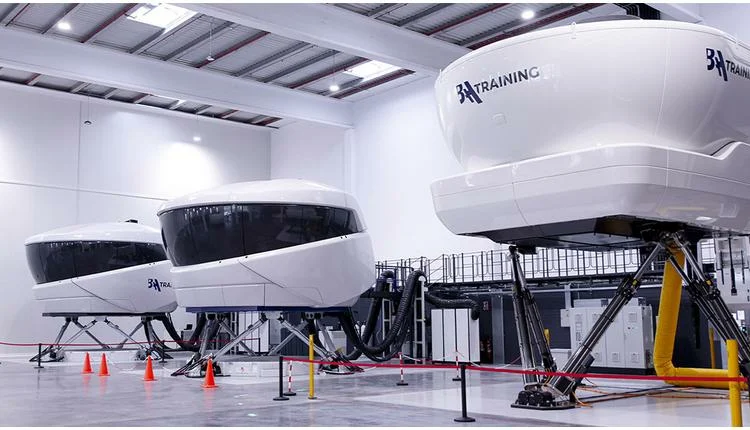
Despite its benefits, the adoption of APS MCC faces challenges, particularly for smaller airlines with limited training capacity. The need for advanced simulators and experienced instructors can be hurdles. However, training academies like BAA Training have adapted to meet these standards, ensuring quality training delivery.
As APS MCC becomes more widespread, it is expected to set a new benchmark in Europe, with potential implications for other regions. The shift highlights the industry’s recognition of the need for realistic training environments to bridge the gap between flight school and airline operations.