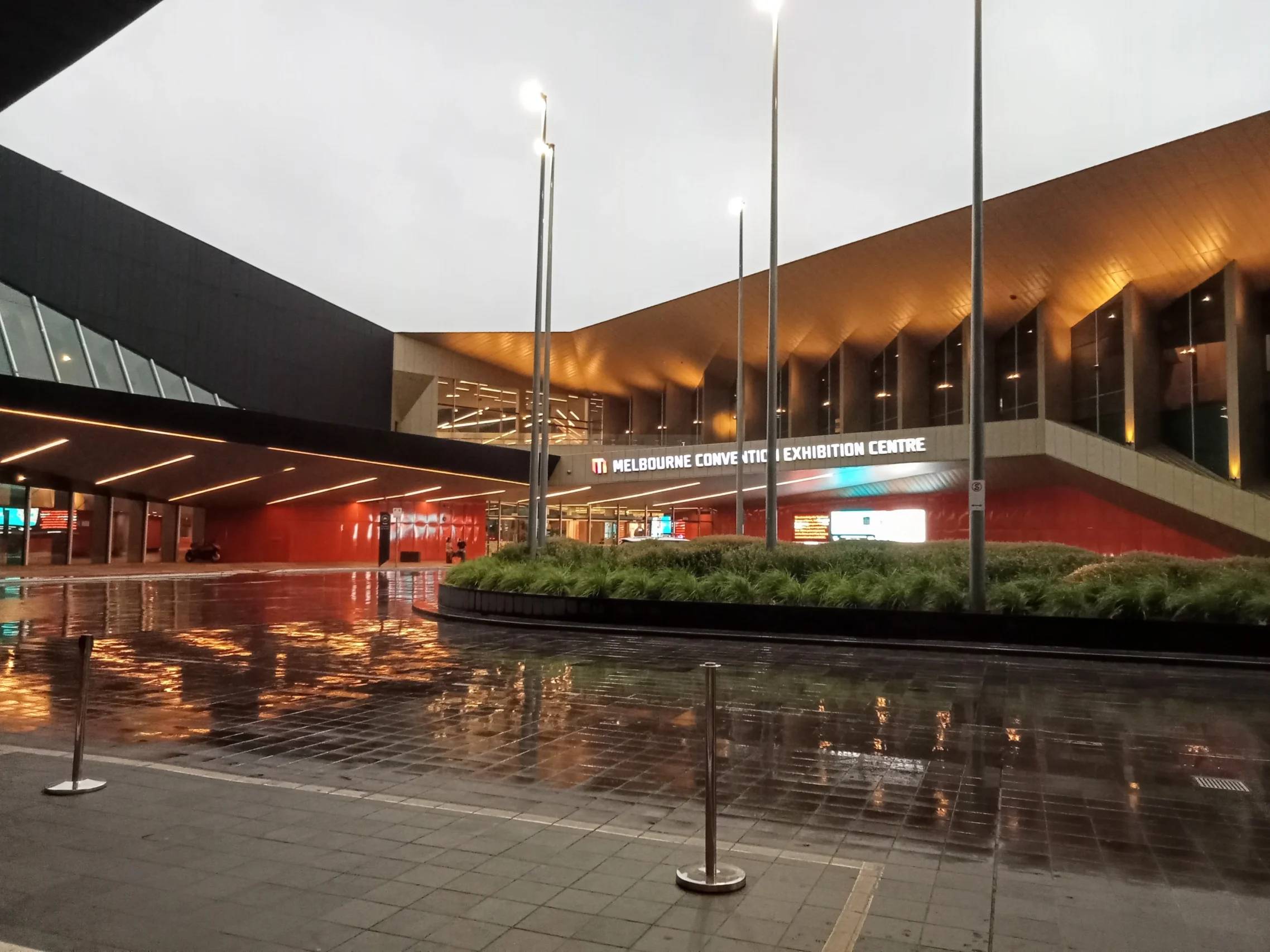
AIME 2026: Traditional Conferences Undergo Immersive Transformation as Attendee Expectations Shift
An analysis of the pivotal lessons from the AIME 2026 event reveals significant changes in the MICE industry, emphasizing the need for immersive experiences and innovative marketing strategies.
While the buzz surrounding AIME 2026 has subsided after its conclusion on February 11, the first significant event of the year in the Asia-Pacific has imparted critical insights for the tourism, travel, hospitality, and MICE sectors to contemplate moving forward.
Throughout the three-day event, attendees received industry updates that will revolutionize the MICE landscape in the region and beyond.
From the compelling keynotes delivered on Knowledge Monday to numerous educational sessions available over the following days, several transformative lessons emerged from the event.
Lesson I: Contemporary MICE focuses on the Asia Pacific
One key point raised at AIME 2026 was the industry-wide outlook presented by the International Association of Convention Centres (AIPC). This report indicated that BRICS nations now represent 50% of the global population while accounting for 30% of the world’s total GDP. With China and India recognized as major global players in travel and tourism, it’s expected that more event organizers are shifting their shows and conferences to the Asia Pacific, especially as global economic power dynamics evolve.
This trend was further emphasized by Indonesia’s recent induction into the BRICS member-state group and potential additions such as Malaysia and Thailand this year. AIPC experts noted that the APAC region seems less affected by internal conflicts and climate-related disruptions that could interfere with event operations, further enhancing its attractiveness.
Lesson II: The evolving nature of event marketing
A particularly insightful session on Knowledge Monday 2026, led by George Hawwa, growth director of social and digital marketing agency Attention Experts, encouraged a shift in focus from content generation to understanding platform mechanics. Hawwa emphasized that social media marketers should not only create content but also understand how to optimize it for performance within platform mechanics.
For effective event marketing, he proposed a dual storytelling strategy that encompasses both the behind-the-scenes processes of event preparation and the audience’s journey from registration to attendance. This approach can help build authentic connections and trust, ultimately leading to increased sales.
Lesson III: Embrace immersive and experiential formats
Contemporary events—whether for business or pleasure—must be immersive and experiential. The days of monotonous conferences and standard booth visits are over. Attendees desire active engagement, fostering a sense of connection rather than simply filling a headcount.
The initial moments of any event are critical, demanding a careful design that welcomes attendees into a genuine experience rather than a strict processing procedure. Organizers should also consider incorporating exclusive ‘hidden experiences’ that create buzz and intrigue, drawing interest throughout the event.
By encapsulating a fear of missing out (FOMO) mentality, such event architectures enhance the overall experience and create lasting impressions.