Aman Kyoto: A Deep Dive into Japanese Culture at the New Tea House Senkutsu
Aman Kyoto unveils the Tea House Senkutsu, a serene cultural haven where guests can engage with traditional Japanese tea practices.
Aman Kyoto presents a unique immersion into Japan’s cultural essence through the unveiling of Tea House Senkutsu. This elegantly crafted space is rooted in tradition, crafted to honor Japanese culture and spirituality, and acts as a tranquil haven nestled within the resort’s hidden garden.
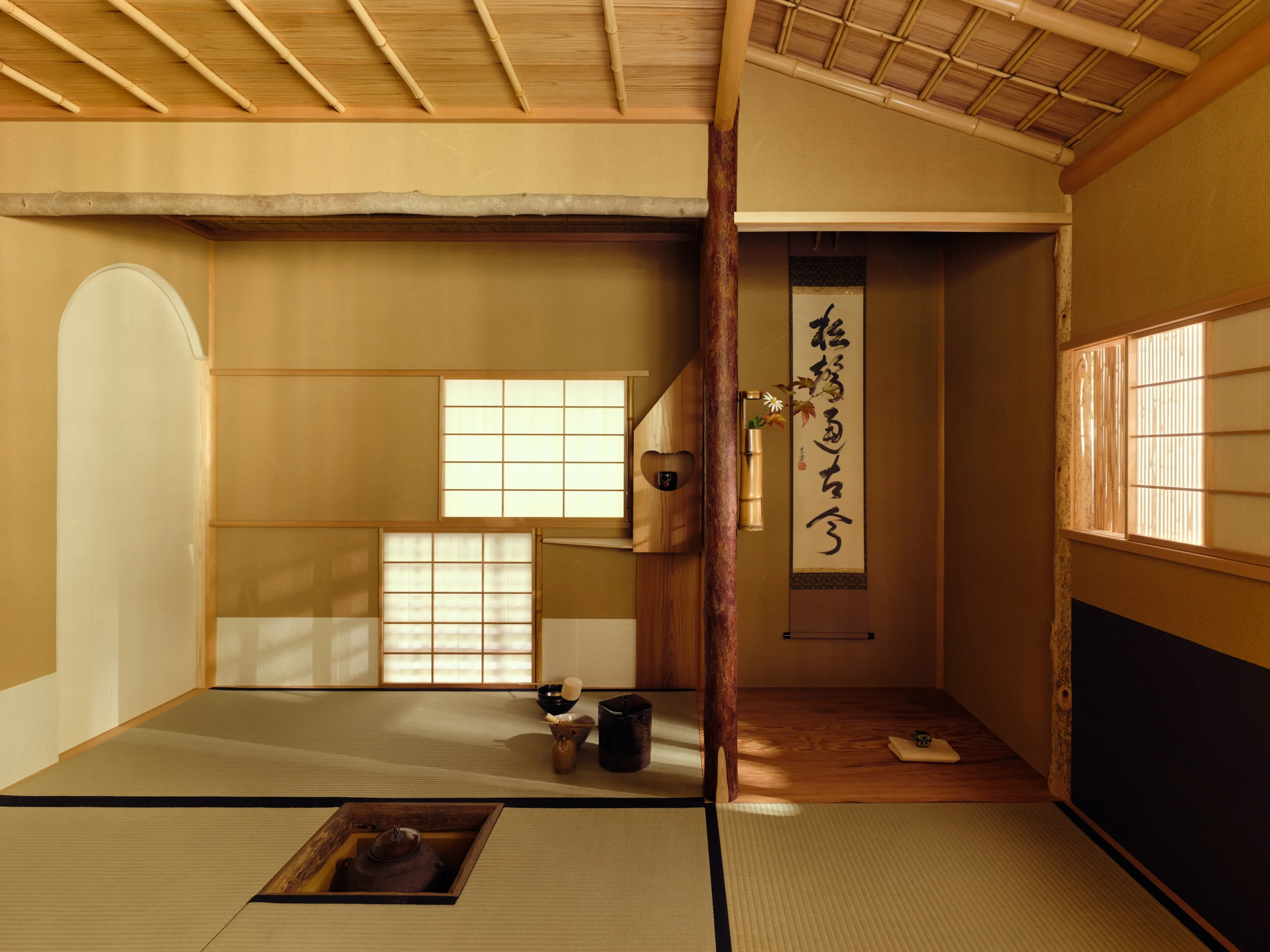
The tea house, designed to exhibit sophisticated craftsmanship characteristic of Japanese tea house architecture, comprises two rooms where visitors can partake in rich cultural experiences, notably the traditional chanoyu (the Japanese tea ceremony).
Location and Atmosphere The tea house resides at the end of a peaceful stone path amid the stunning gardens surrounding the luxurious hotel villas, thus harmonizing with the striking architecture and nature of Aman Kyoto.
Inside, the host reflects the essence of omotenashi, the traditional Japanese hospitality, through a carefully planned ritual aimed at creating a serene ambiance of harmony and respect.
A Vision from Leadership “Aman has always honored local traditions and culture, bridging understanding through immersive experiences,” shared Yasuo Mizobuchi, the General Manager of Aman Kyoto. He emphasized the intention behind the establishment of Tea House Senkutsu as a means to provide guests with a timeless journey into the beauty of Japanese aesthetics and the spirit of the tea ceremony.
Craftsmanship Rooted in Tradition Designed by SEN ART STUDIO, renowned for their expertise in traditional sukiya tea house design that dates back to the 16th century, Tea House Senkutsu exemplifies the principles of Urasenke, a pivotal school of the Japanese tea ceremony.
Materials and Design Selected materials such as regional Kitayama cedar and earth sourced from Takagamine have been skillfully used to construct this structure, highlighting the elegance of simplicity and harmony that defines Japanese tea house architecture.
A Sanctuary for Reflection The facility consists of two tea rooms meant for various ceremonies. One room, the koma, requires participants to enter by crawling through a low entryway, symbolizing humility, and features four tatami mats for traditional sitting.
The second area, designed in ryu-rei style with chairs, enables easier access for newcomers to the tea ritual. This room connects to a preparation area that can host various cultural workshops, like wagashi (Japanese sweets) making, art sessions, and Ikebana (flower arranging), and extends the cultural offerings orchestrated by Aman Kyoto.