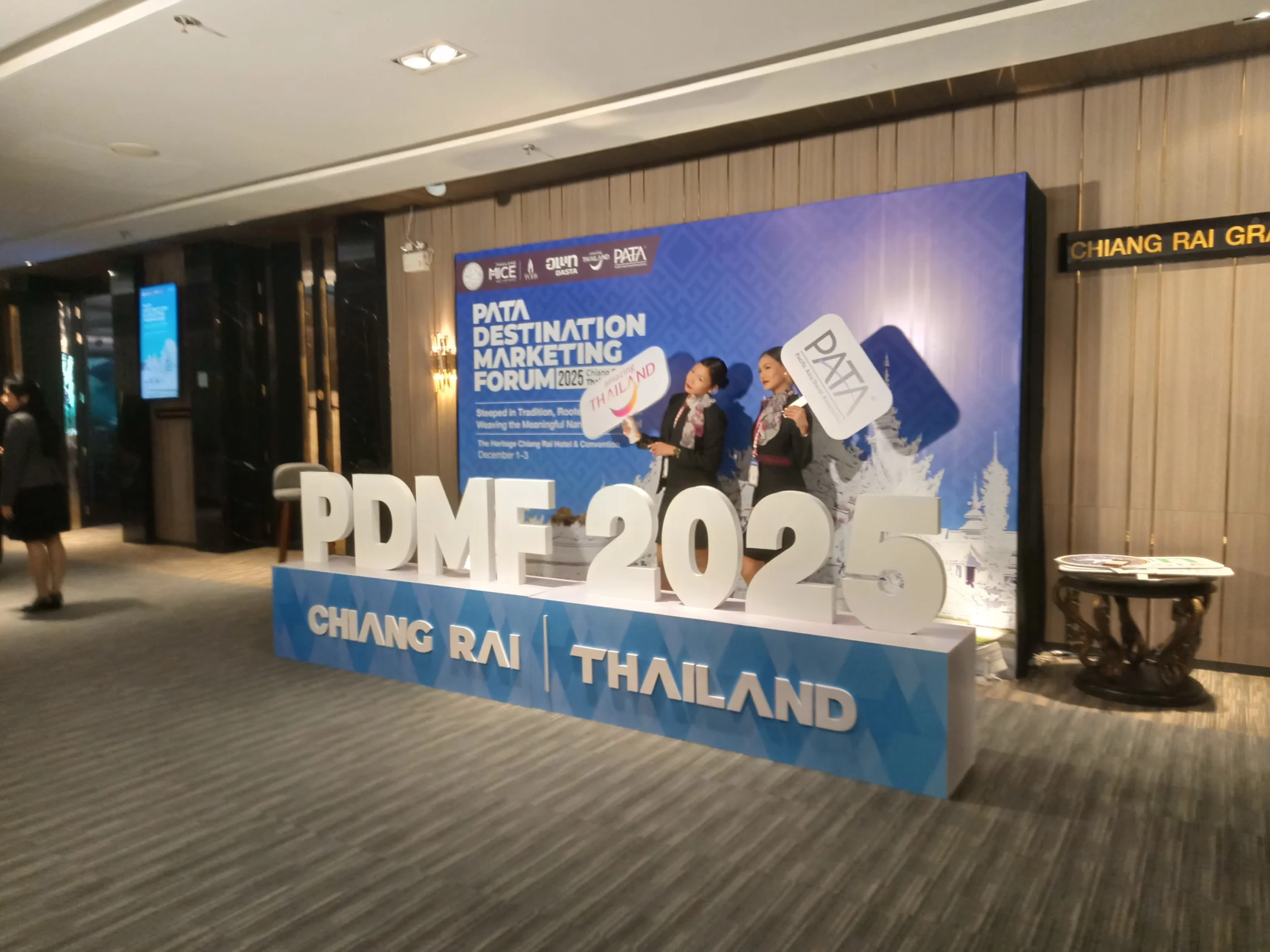
The recently-concluded PATA Destination Marketing Forum (PDMF) 2025 in Chiang Rai, Thailand gave industry professionals much to ponder regarding the future of promoting destinations globally.
In an era that increasingly prioritizes sustainability over mere profitability, nations and stakeholders are refining their market strategies to create products that are both environmentally friendly and advantageous to local communities.
Here are some key insights from the event that may reshape how we present destinations to target markets:
Immersion vs Mere Observation
One significant issue in adventure and cultural tourism is how locals are often treated as mere backdrops to experiences instead of valued individuals. This dehumanizing trend, termed “the human zoo”, has been recognized as an exploitative aspect of modern travel. However, a shift towards regenerative tourism emphasizes interaction with locals as a means to deeply engage with a destination’s culture and customs.
The OTOP Model’s Relevance in Retail Tourism
The one town, one product (OTOP) model continues to be a robust approach to destination marketing, offering unique local experiences. It benefits agriculture by boosting local economies and preserving traditional crafts for future generations.
Regenerative and Rehabilitative Tourism
The story of a Thai community, Doi Tung, illustrates how rehabilitative tourism can transform a location. Once a hub for crime, it now thrives as an agricultural and cultural center thanks to initiatives promoting sustainable livelihoods.
The Role of Secondary Cities in MICE
While major events typically occur in capitals, PDMF2025 highlighted the potential of secondary cities as preferred locations for meetings, incentives, conferences, and exhibitions (MICE). These areas offer less congestion, healthier environments, and interesting locales for post-event exploration.
Through careful and considered efforts, we can foster meaningful narratives in destination marketing, positively affecting a nation’s economic landscape.